
Why Odor Elimination Is Harder Than It Looks
Most people's first instinct when dealing with a bad smell is to grab an air freshener or open a window. And for minor odors, that might be enough. But for persistent smells from smoke, mold, sewage, pets, or water damage, surface-level fixes don't work. Here's why odor elimination is more complex than it seems, and what professional treatment actually involves.
Odors Aren't Just in the Air
The biggest misconception about bad smells is that they're an air problem. In reality, odors come from particles and compounds that have bonded to surfaces throughout a space. Smoke residue bakes into drywall, wood, and fabric. Mold releases spores that embed in porous materials. Pet odors soak into flooring and subfloor. Sewage contamination penetrates grout and wall cavities. Spraying something into the air doesn't touch any of that. It just adds a competing smell on top of the problem.
Masking Is Not the Same as Eliminating
Consumer products like sprays, candles, and plug-ins are designed to cover odors temporarily. They work by overwhelming your sense of smell with a stronger scent, not by breaking down the compounds causing the problem. As soon as the masking agent fades, the original odor comes back, often stronger because heat and humidity have continued to set it deeper into surfaces in the meantime.
What Professional Odor Elimination Actually Involves
Getting rid of an odor at the source requires identifying exactly what's causing it and treating the affected materials directly. Depending on the situation, professional odor remediation can involve several different approaches.
Ozone treatment uses ozone generators to oxidize odor-causing molecules at a chemical level, neutralizing them rather than covering them up. It's highly effective for smoke and fire odors but requires the space to be unoccupied during treatment.
Hydroxyl generators work similarly but are safe to use in occupied spaces. They break down odor molecules in the air and on surfaces using UV light and naturally occurring atmospheric compounds.
Thermal fogging involves heating a deodorizing solution into a fine mist that penetrates the same areas the odor has reached, including inside walls, under flooring, and into fabric and insulation. This is especially effective after fire and smoke damage.
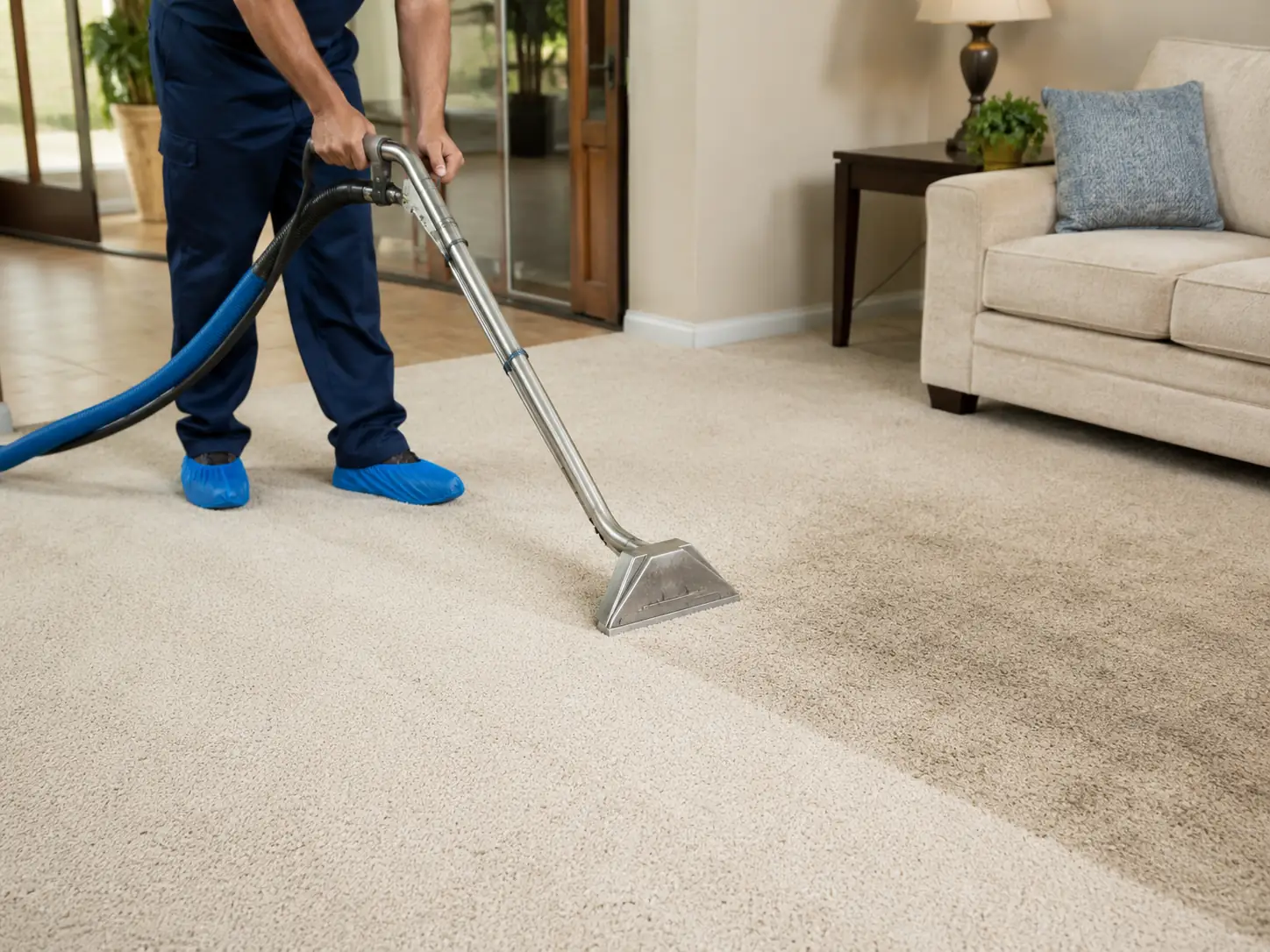
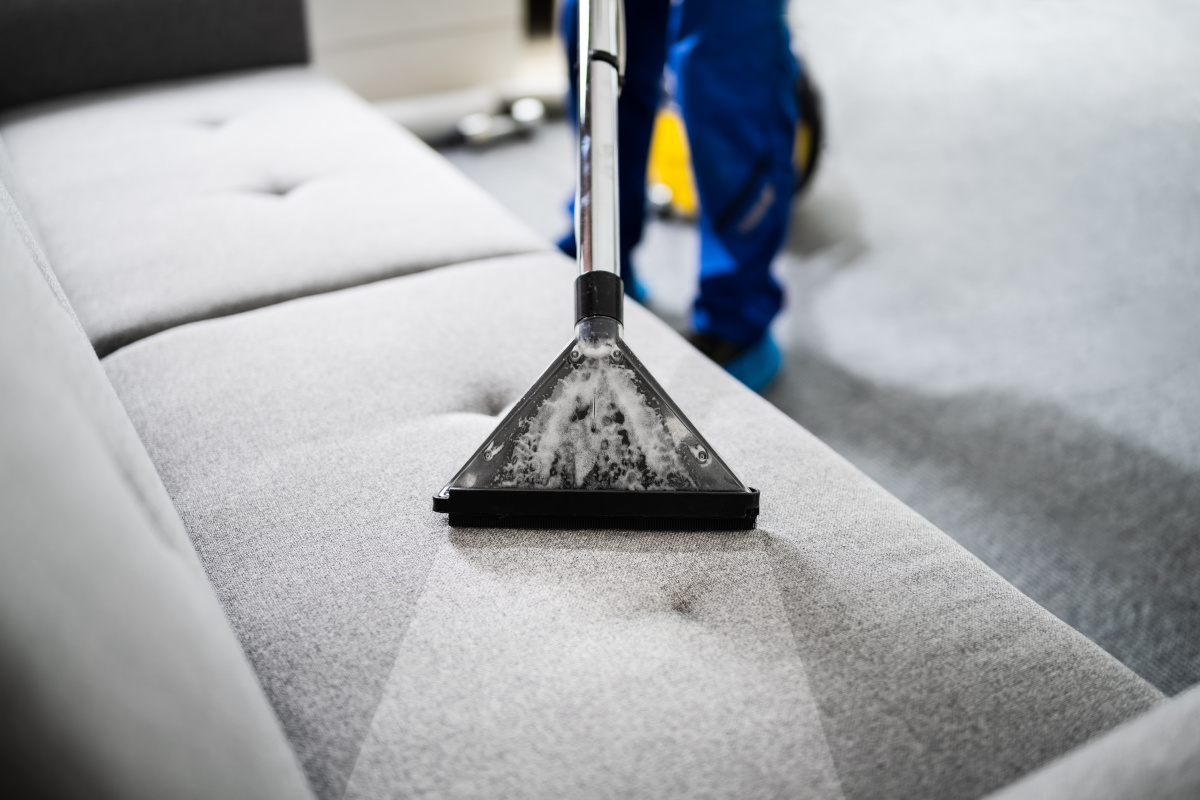
Direct surface treatment means cleaning and treating the actual source material, whether that's removing contaminated drywall, sealing subfloor, steam cleaning upholstery, or applying enzyme-based cleaners to areas affected by biological odors like sewage or pet waste.
Why It Sometimes Takes More Than One Pass
Severe or long-standing odors often require a combination of these methods and more than one treatment session. If the source material is too saturated to be effectively treated, it may need to be removed and replaced entirely. Cutting corners at this stage almost always means the odor returns.
Our restoration services include professional odor remediation as part of our fire, water, and mold recovery work. Our residential cleaning team also handles odor treatment for homes dealing with pet, smoke, or general buildup issues. And for commercial properties, our building maintenance team can assess and address persistent odor problems before they affect your tenants, employees, or customers.
If a smell keeps coming back no matter what you try, that's a sign it needs professional attention, not another can of air freshener.
.jpeg)