What Causes Carpet to Re-Soil Quickly After Cleaning
What Causes Carpet to Re-Soil Quickly After Cleaning
You just had your carpet cleaned, and a few weeks later it already looks dingy again, sometimes even dirtier than before. This is a common frustration, and it usually points to a specific cause rather than bad luck. Here's what actually leads to carpet re-soiling quickly and how to avoid it.
Detergent Residue Left Behind
One of the most common causes of rapid re-soiling is cleaning residue left in the carpet fibers after the job is done. Some cleaning methods use detergents that aren't fully rinsed out, and that leftover residue acts like a magnet for dirt and dust. As people walk across the carpet, new soil sticks to the sticky residue far faster than it would on a properly rinsed, clean fiber. This is one of the biggest differences between a quality professional cleaning and a rushed one.
Too Much Moisture Left in the Carpet
If a carpet stays damp for too long after cleaning, it can actually attract more dirt, not less. Excess moisture in the padding beneath the carpet can wick soil back up to the surface as it dries, sometimes creating dirty-looking spots or rings in areas that seemed perfectly clean right after the job was finished. Proper drying technique and equipment matter just as much as the cleaning itself.
Not Enough Vacuuming Beforehand
Cleaning without a thorough dry vacuum first leaves loose dirt and debris in the carpet that gets stirred up and redistributed during the wet cleaning process instead of being fully removed. This can leave the carpet looking clean initially, but with soil still trapped deep in the fibers ready to resurface.
Wrong Cleaning Method for the Carpet Type
Not all carpets respond the same way to the same cleaning process. Certain fibers and carpet constructions hold onto detergent or moisture more than others, and using a one-size-fits-all approach can lead to residue buildup or improper rinsing. A cleaning method matched to your specific carpet type produces much better, longer-lasting results.
High-Traffic Areas Without Enough Protection
Even a perfectly cleaned carpet will re-soil faster in high-traffic zones like entryways, hallways, and areas near seating without some kind of protection. Mats at entry points and regular vacuuming between deep cleans go a long way toward slowing this process down, especially in commercial spaces with constant foot traffic.
Skipping Regular Vacuuming Between Cleanings
Professional cleaning removes deeply embedded dirt, but it isn't meant to replace regular maintenance. Carpet that isn't vacuumed consistently between professional cleanings builds up surface dirt quickly, which can make it look re-soiled even when the deeper fibers are still in good shape.
What Actually Prevents Rapid Re-Soiling
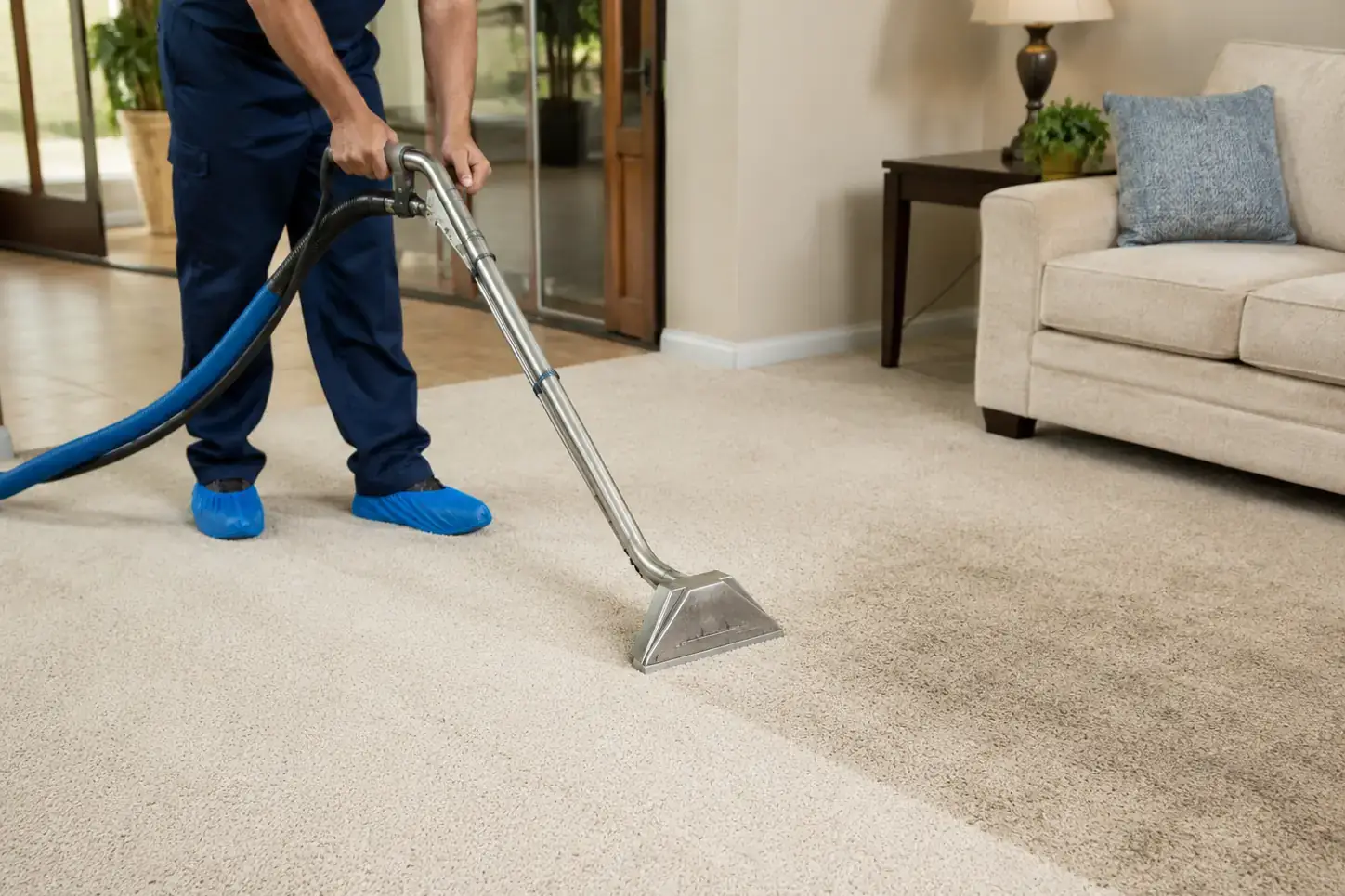
The fix comes down to doing the cleaning process correctly from the start. That means a thorough dry vacuum before any wet cleaning, using the right method and products for the specific carpet type, fully rinsing out any detergent used, and drying the carpet properly and completely afterward. Combined with regular vacuuming and some protection in high-traffic areas, a carpet cleaned the right way should stay noticeably cleaner for months, not weeks.
Our residential cleaning and building maintenance teams use professional-grade equipment and proper rinsing techniques designed to avoid residue buildup and get carpets genuinely clean, not just clean-looking. And if your carpet issues stem from a water event, our restoration services can address the root cause before it becomes a repeat problem.