How Often You Should Replace HVAC Filters Based on Your Building Type
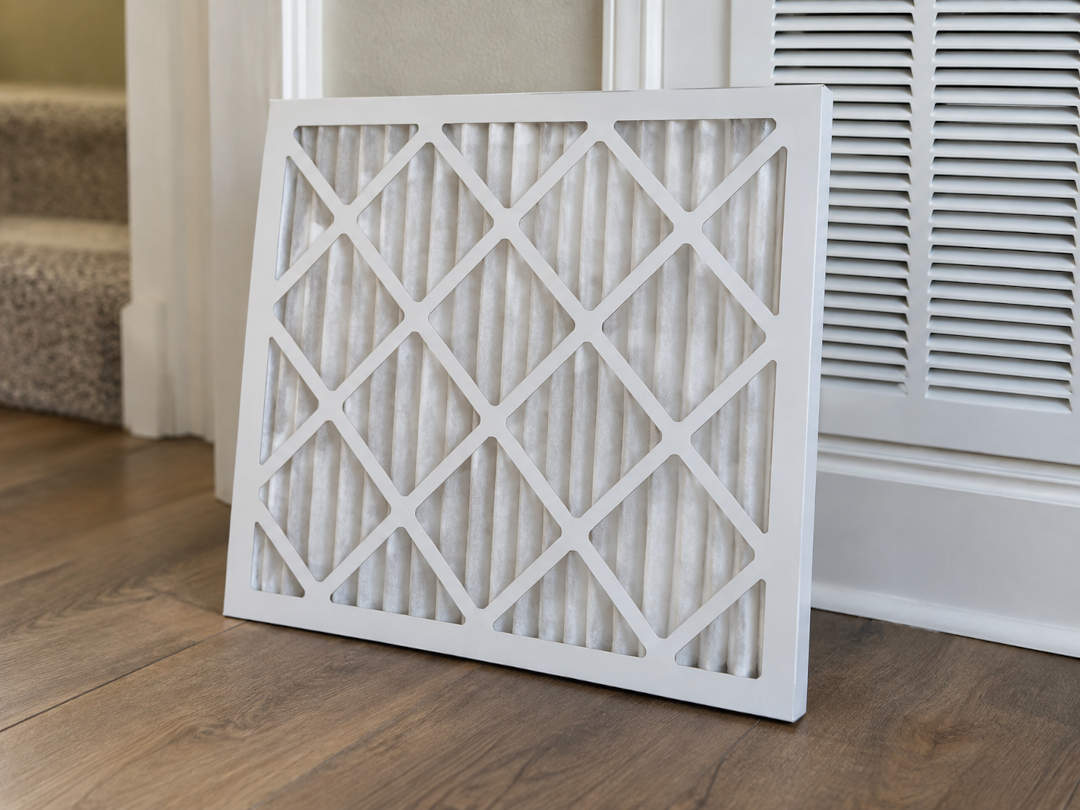
HVAC filters do a lot of quiet, unglamorous work. They trap dust, allergens, and airborne particles before they circulate through your building, and they protect your system from strain that shortens its lifespan. But how often a filter actually needs replacing depends heavily on the type of building it's in. A generic every-90-days rule doesn't hold up across every type of space.
Residential Homes
For a typical single-family home with average occupancy and no pets, filters generally need replacing every 60 to 90 days. Homes with pets should replace filters closer to every 30 to 60 days, since pet dander and hair clog filters faster. If anyone in the household has allergies or respiratory sensitivities, a 30-day schedule with a higher-rated filter often makes a noticeable difference in air quality.
Offices and Retail Spaces
Commercial spaces with regular foot traffic typically need filter changes every 60 to 90 days as well, but the specifics depend on occupancy and building size. High-traffic retail locations, especially those near busy streets or construction, may need changes closer to the 30 to 60 day mark since more dust and outdoor particulates get pulled into the system.
Restaurants and Food Service
Kitchens and food service environments put extra strain on HVAC systems due to grease particles, cooking exhaust, and higher humidity levels. Filters in these settings often need replacement every 30 to 45 days to keep the system running efficiently and to maintain good air quality for both staff and customers.
Healthcare Facilities
Medical offices, clinics, and healthcare buildings generally require the most frequent filter changes, often every 30 days or even more often depending on the type of care provided. These spaces typically use higher-rated filters designed to capture smaller particles, and because air quality directly affects patient health, there's very little room for a lapsed schedule.
Schools
Schools see high daily occupancy in a relatively contained space, which means filters clog faster than in a typical office. A 30 to 60 day replacement schedule is standard, and schools in areas with seasonal allergens or wildfire smoke exposure may need to shorten that window during peak periods.
Warehouses and Industrial Buildings
Facilities with higher dust levels, whether from materials handling, manufacturing, or general industrial activity, often need filters replaced every 30 to 60 days. Some industrial environments require even more frequent changes depending on the specific type of dust or particulate generated on site.
Signs You've Waited Too Long
Regardless of building type, a few signs point to an overdue filter change. Reduced airflow from vents, a noticeable increase in dust on surfaces, higher than usual energy bills, and a musty smell when the system runs are all indicators that the filter needs attention sooner rather than later. Waiting too long doesn't just affect air quality, it also makes the system work harder, which increases wear and can shorten its overall lifespan.
Why This Matters More During Certain Seasons
Filters also need extra attention during wildfire smoke season, high pollen periods, and any time renovation or construction dust is present in or around the building. These conditions clog filters faster than normal and reduce their effectiveness well before the standard replacement window.
Our building maintenance team helps commercial properties set up a filter replacement schedule tailored to their specific building type and usage patterns. For homeowners, our residential cleaning services can help keep your indoor air quality in good shape between filter changes, and our restoration services team is available if smoke, water, or other contamination has affected your HVAC system directly.
.jpeg)