Upholstery Cleaning for Allergy Season: Why Bay Area Families Should Not Wait
Spring in the Bay Area is beautiful, but for many families, it is also the toughest time of year for allergies. From March through May, pollen levels rise, winds move allergens through neighborhoods, and indoor spaces become a retreat from outdoor triggers. The challenge is that allergens do not stay outside. They travel into the home on clothing, shoes, hair, and pets. Once inside, upholstery becomes one of the first places these particles settle.
Upholstery cleaning is one of the most effective ways to reduce indoor allergens, yet many homeowners overlook it during allergy season. Sofas, chairs, benches, and other upholstered pieces act like soft filters. They hold onto pollen, pet dander, dust, and debris that build up over time and release back into the air whenever someone sits down.
This blog explains why upholstery cleaning plays an important role during spring allergy season and why Bay Area families should not wait to schedule a deeper clean.
Why allergy season affects upholstery so much
Spring winds move pollen across the Bay Area quickly. Even on mild days, particles enter through open doors, windows, shoes, and clothing. Upholstery absorbs these particles easily, especially fabrics with texture or depth.
Here is why this matters for indoor comfort.
✔ Pollen can settle into upholstery and release each time someone uses the furniture
✔ Dust mites increase in warmer, more humid weather
✔ Pet dander mixes with spring allergens and worsens symptoms
Surface cleaning removes some buildup, but allergens that settle deep into the fabric need a more thorough approach.
If you want to explore how professional cleaning supports a healthier home environment, visit the Residential Cleaning page.
Signs your upholstery is contributing to allergy symptoms
Families often notice allergy issues before they realize upholstery is the source. Watch for these early signs.
✔ Sneezing or itchy eyes when sitting on certain furniture
✔ Dust clouds when cushions are pressed
✔ Lingering pet odors
✔ Symptoms that improve when away from home
✔ Rooms feeling “stuffy” even with regular cleaning
These are common indicators that allergens are trapped in the fabric.
Why deep upholstery cleaning works during allergy season
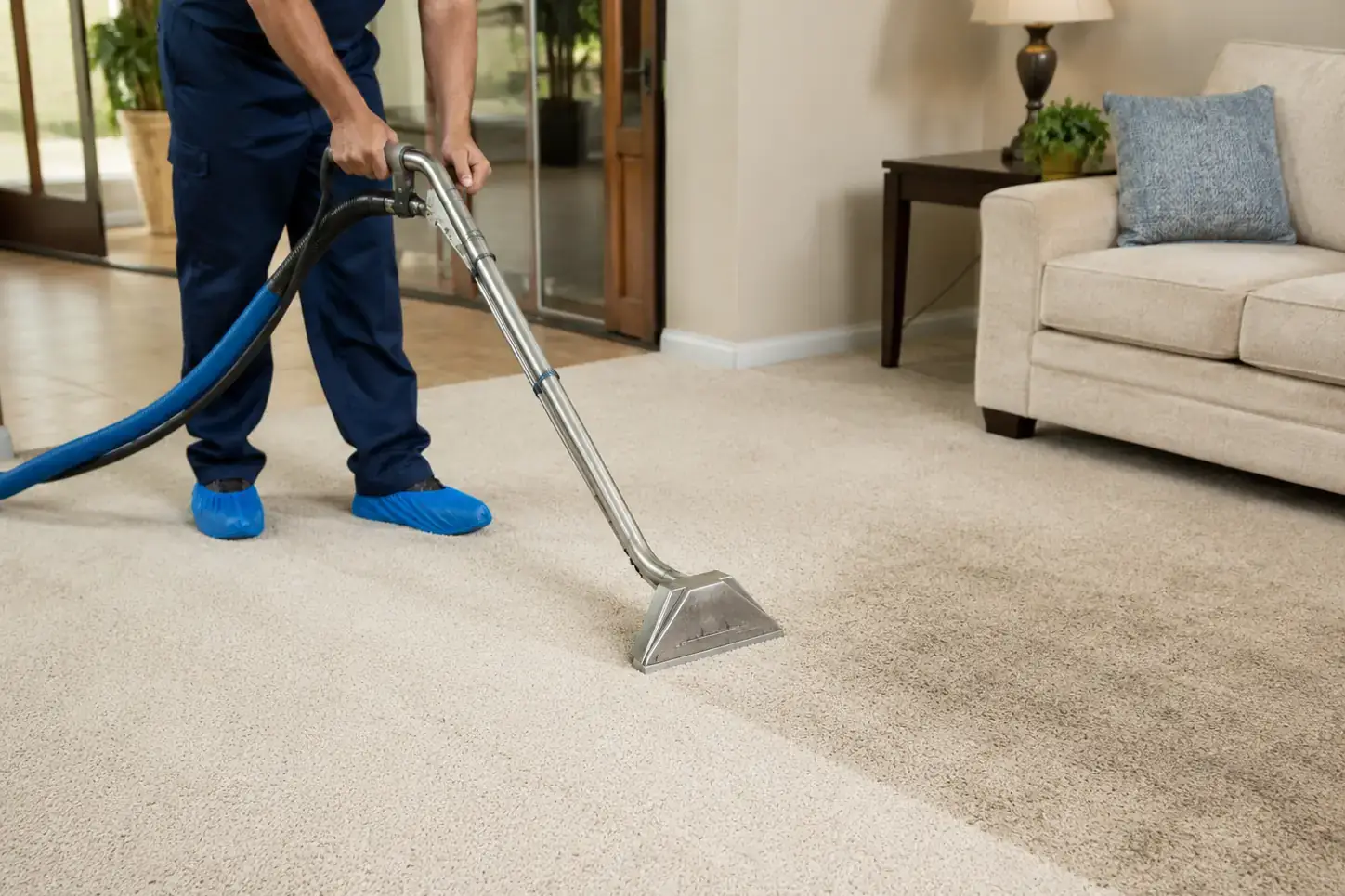
Deep upholstery cleaning removes allergens from where they settle most. Even high quality home vacuums can only reach the surface. Professional equipment is designed to extract buildup from deeper layers, helping reduce symptoms and improving overall indoor comfort.
Here is what deep cleaning supports.
• Removal of pollen and dust that settle into fibers
• Fresher indoor air
• Reduction of odors that cling to fabric
• Longer life for furniture by removing particle buildup
Families with pets or small children benefit even more because these groups tend to interact closely with upholstered surfaces.
If moisture or water exposure has affected your furniture during winter, you can learn how to prevent mold or long term damage on the Restoration page.
When Bay Area families should schedule upholstery cleaning
Timing matters during allergy season. The earlier you clean, the easier it is to stay ahead of the spring pollen surge.
A simple guide for scheduling.
Schedule early in spring if:
• Family members experience moderate to strong allergies
• Pets go in and out frequently
• Upholstery has not been cleaned in six months or more
Schedule mid season if:
• You notice allergy symptoms increasing indoors
• Furniture feels less fresh even after general cleaning
Schedule after the season if:
• You want a full reset to remove the buildup collected during March through May
Cleaning at least once a year helps maintain healthier indoor air, and spring is the most effective time to do it.
Why upholstery cleaning is part of a whole home allergy plan
During allergy season, cleaning works best when it supports the entire home environment. Upholstery is important, but it is not the only surface affected by allergens.
Here are additional steps that help reduce symptoms.
✔ Wash curtains or window coverings
✔ Wipe baseboards where dust settles
✔ Vacuum carpets regularly with a HEPA filter
✔ Open windows only during low pollen times
These steps help your upholstery cleaning last longer and improve indoor air quality throughout the season.
For families who want help maintaining consistency, the Building Maintenance page can be used for ongoing support in shared residential buildings or multi unit properties.
Why professionals make a noticeable difference
Professional upholstery cleaning removes what general cleaning cannot. Trained technicians understand how to treat different fabric types, lift deep debris, and clean safely without damaging materials. They also use equipment that provides much stronger extraction than household vacuums.
A professional team can also spot early issues like moisture, mold risk, or wear patterns that homeowners may not notice. Early detection helps prevent more complicated repairs and keeps furniture in better condition for longer.
The advantage of having professionals on standby during allergy season
Spring brings a wave of allergens that settle into your home quickly. Having professionals ready to help keeps your space healthier and more comfortable during the months when symptoms are strongest. With careful cleaning methods and reliable scheduling, a trained team can help your family breathe easier, reduce pollen buildup, and enjoy the season with less discomfort.