Common Myths About Mold That Could Be Costing You Money
Mold is one of those topics where misinformation spreads almost as fast as the mold itself. Believing the wrong thing at the wrong time can turn a small, manageable issue into an expensive one. Here are some of the most common mold myths and what's actually true.
Myth: Bleach Kills Mold for Good
Bleach is one of the most commonly recommended mold fixes, but it doesn't actually solve the problem on porous surfaces. Bleach can kill surface mold on non-porous materials like tile or glass, but on wood, drywall, and other porous materials, mold roots can grow deep enough that bleach never reaches them. The surface may look clean, but the mold often comes right back within weeks because the root structure is still intact.
Myth: If You Can't See It, You Don't Have It
Mold frequently grows in places you can't see, including behind walls, under flooring, inside ductwork, and above ceiling tiles. A musty smell, unexplained allergy symptoms, or recurring water stains can all be signs of hidden mold even when nothing is visible on the surface. Waiting for visible mold before taking action often means the problem has already had time to spread.
Myth: Small Mold Spots Aren't Worth Worrying About
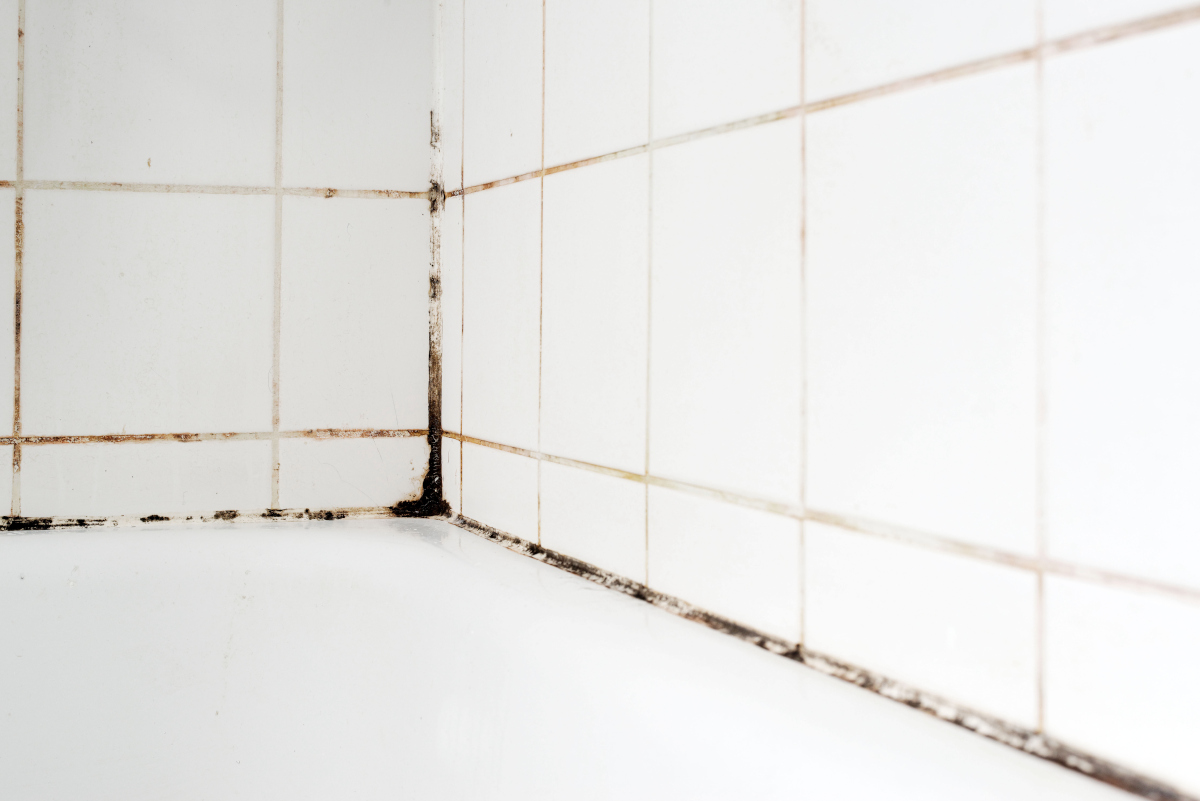
Mold spreads through spores that travel through the air, and it doesn't take much time for a small patch to become a much larger colony. What looks like a minor spot in a bathroom corner today can spread throughout an entire room within weeks under the right moisture conditions. Treating small mold issues early is almost always cheaper and easier than waiting until it becomes a larger remediation project.
Myth: All Mold Is Dangerous, So Any Mold Means You Need to Evacuate
On the other end of the spectrum, some people assume any mold sighting is a health emergency requiring immediate evacuation. In reality, mold sensitivity varies significantly from person to person, and the appropriate response depends on the type and extent of the mold, not just its presence. That said, this isn't a reason to ignore mold either. It simply means the right response is a proper assessment, not panic.
Myth: Once the Moisture Source Is Fixed, the Mold Problem Is Solved
Fixing a leak or addressing high humidity is an important first step, but it doesn't remove mold that has already developed. Mold that's already growing needs to be physically remediated, not just deprived of future moisture. Skipping this step means the existing mold keeps growing, even after the original cause is resolved.
Myth: Air Fresheners or Fans Can Handle a Mold Odor
A musty smell from mold isn't something a fan or air freshener will fix. That odor comes from mold spores actively growing somewhere in the space, and masking it doesn't stop the underlying growth. If anything, relying on this approach just delays proper treatment while the mold continues to spread.
Myth: DIY Mold Testing Kits Give You the Full Picture
Store-bought mold test kits can confirm that mold spores are present, but they don't tell you the extent of the problem, where it's coming from, or whether it's actively spreading. A professional assessment gives a much clearer and more actionable picture of what's actually going on.
Believing these myths often leads to bigger repairs, higher costs, and longer timelines than if the issue had been addressed correctly from the start. Our restoration services include professional mold assessment and remediation done right the first time. Paired with our building maintenance services to address the moisture sources that cause mold, and our residential cleaning team to help restore affected spaces, we cover the full picture from detection to recovery.