
The Importance of Professional Office Cleaning for Employee Health
Office spaces bring people together every day. Teams share desks, conference rooms, kitchens, restrooms, and high touch surfaces from morning to evening. As a result, germs travel quickly. Studies show that a virus placed on a single doorknob or tabletop can spread to more than half of office surfaces within hours. With indoor activity at its highest during workdays, proper cleaning is one of the most effective ways to support employee well being.
Professional cleaning is not just about appearance. It plays a direct role in reducing sick days, improving indoor air quality, and keeping the work environment comfortable and productive. This blog explains why office cleaning matters for employee health and how regular maintenance protects your workspace long term.
Why office environments need more than basic cleaning
Most offices receive general cleaning from staff throughout the day. While helpful, this usually focuses on quick tasks such as wiping a desk, rinsing a coffee mug, or taking out trash. Deep cleaning requires more specialized care.
Here is what builds up in office spaces.
• Germs on keyboards, phones, and shared equipment
• Dust in vents and carpeting
• Food particles in break rooms
• Moisture in restrooms
• Odors from daily use
Without consistent, structured cleaning, these areas become sources of illness and discomfort. Offices that rely only on surface cleaning are often surprised by how much remains behind.
If your office needs routine or specialized support, you can explore services on the Building Maintenance page.
How cleanliness affects employee health directly
A clean office supports the people who work inside it. When germs accumulate, they not only affect those who become sick but also the coworkers who share the same air and surfaces.
Here are the biggest health benefits of professional office cleaning.
Fewer sick days
Regular sanitizing reduces the spread of bacteria and viruses on shared surfaces. This helps limit disruptions and keeps teams working consistently.
Better indoor air quality
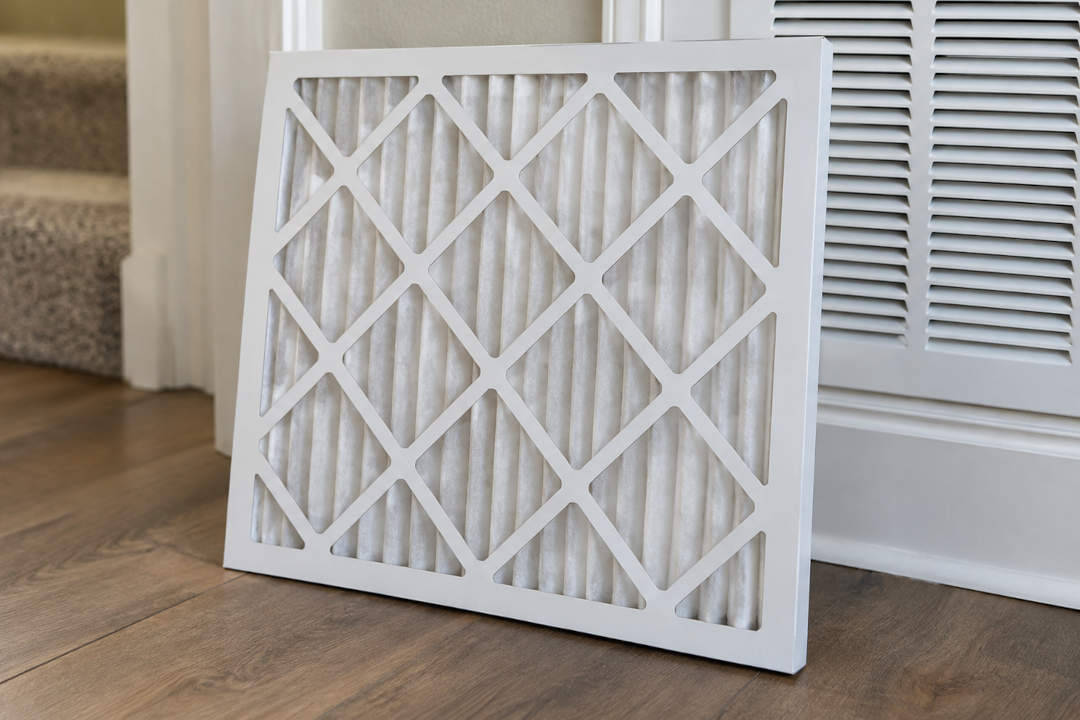
Dust, pollen, and particles settle into carpets and vents. Removing them improves breathing comfort and supports employees with allergies or sensitivities.
Cleaner shared spaces
Break rooms, kitchens, and restrooms are high traffic areas. Proper cleaning reduces odors and prevents germs from spreading through communal surfaces.
Lower mold risk
Moisture from spills or restroom use can encourage mold if not handled properly. Mold exposure affects respiratory health and should be avoided before it begins.
For offices concerned about deeper maintenance or moisture related issues, you can learn more on the Restoration page.
Key office areas that should receive consistent cleaning
Some areas in an office need more attention than others. Professional cleaners focus on surfaces and spaces that influence health the most.
Here are the most important areas to maintain.
✔ Door handles and light switches
✔ Desks, keyboards, and computer equipment
✔ Conference room tables and chairs
✔ Kitchen counters and appliances
✔ Restrooms and sinks
✔ Floors and entry mats
✔ Reception areas
✔ Break rooms
These spaces see constant use from morning to evening, which means they benefit from routine and detailed care.
A look at how professional cleaning works
Professional office cleaning follows a structured approach to ensure thorough coverage. This process helps maintain consistency week after week.
Here are the general steps.
1. Assessment
The team reviews the office layout, traffic flow, and areas that require special attention.
2. Daily or weekly cleaning tasks
These include general wiping, waste removal, dusting, and floor care.
3. Sanitizing and disinfecting
High touch surfaces receive targeted sanitizing to reduce germs.
4. Deep cleaning on a schedule
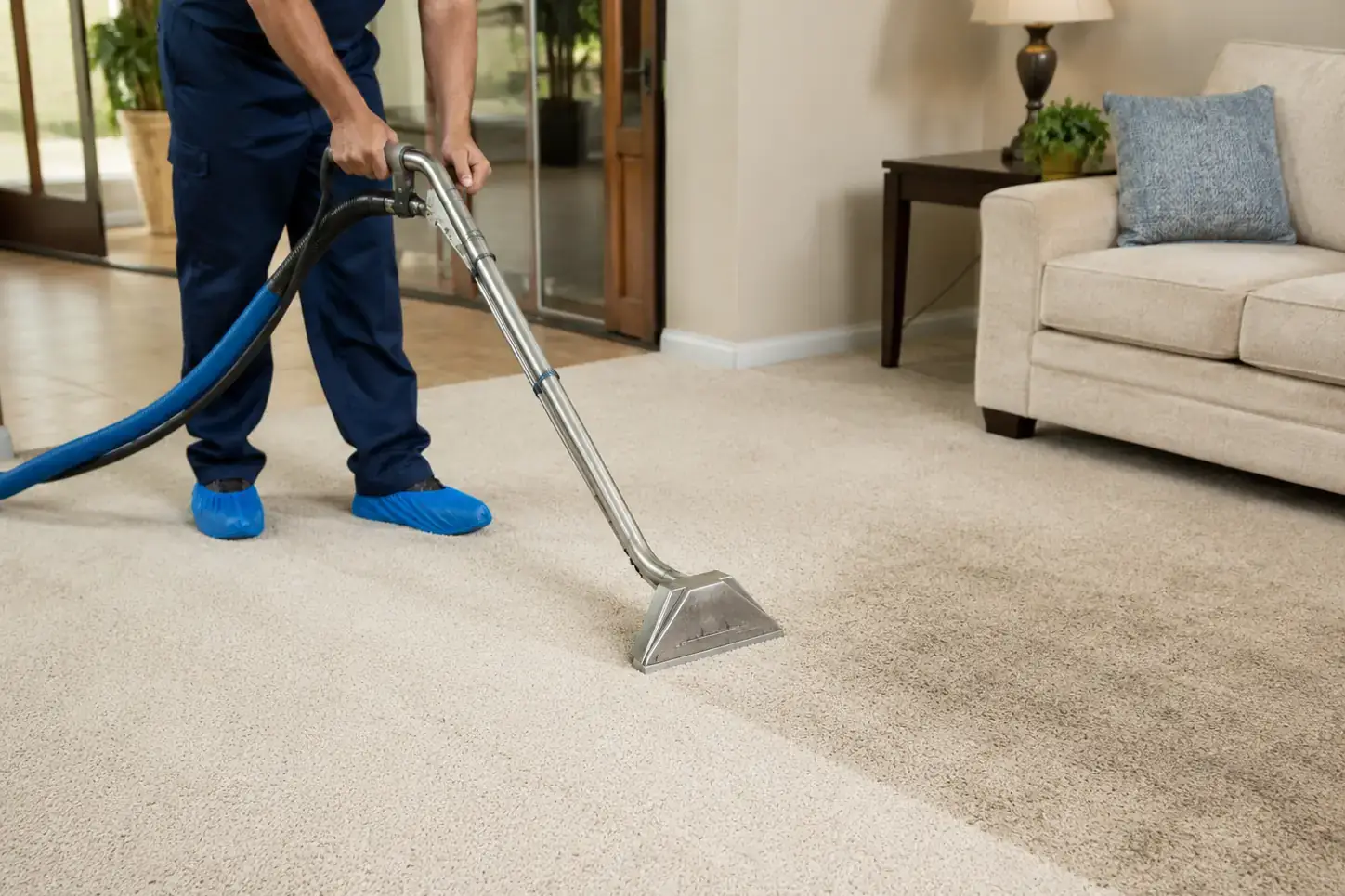
Carpets, vents, upholstery, and restrooms get deeper attention to support long term cleanliness.
5. Ongoing adjustments
Cleaning plans are updated based on seasonal changes, employee needs, and building use.
This routine keeps the office safe and comfortable without creating extra workload for employees.
Why professional cleaning improves productivity
A clean workspace supports not only physical health but also workplace performance. Employees tend to focus better in an organized and hygienic environment.
Professional cleaning contributes to productivity in the following ways.
• Reduced illnesses mean fewer interruptions during projects
• Cleaner air helps employees feel more alert
• Organized spaces improve focus
• A tidy environment reduces stress
Research has shown that workplace cleanliness is directly connected to employee satisfaction. When the environment feels cared for, people feel more valued.
How often should an office be professionally cleaned
The right schedule depends on building size, foot traffic, and the type of work performed inside the space. Here is a helpful guide for most offices.
✔ Daily cleaning for high traffic buildings
✔ Two to three times per week for standard offices
✔ Weekly deep cleaning for carpets and common areas
✔ Seasonal deep cleaning for vents and entryways
✔ As needed sanitizing during cold and flu seasons
If your office experiences seasonal surges or event days, additional sanitizing can help keep the environment consistent.
The advantage of having professionals on standby for office cleaning
A healthy work environment requires more than spot cleaning. Germs spread quickly in shared spaces and dust builds up even when surfaces look clean. Having a professional team ready to maintain your office creates a calmer, healthier experience for everyone inside. With consistent care, reliable scheduling, and safe cleaning practices, professionals help protect employee health and support a better workday for the entire team.