Preventive Maintenance Before Winter
A Checklist for Bay Area Property Owners
Winter in the Bay Area may look mild from the outside, but those December through February weather patterns still bring cooler nights, regular rain, and plenty of moisture. All of these conditions can quietly affect your home or building if you do not prepare ahead of time. A little preventive maintenance now helps avoid costly repairs later and keeps your property safe and comfortable.
Seasonal problems often start small. A tiny leak, a clogged drain, or a window that no longer seals well might not feel urgent in early fall, but winter weather can turn those small issues into bigger ones. Water damage is one of the most common property claims each year and can account for nearly a quarter of all insurance reports. Mold can begin forming within 48 hours when moisture stays trapped. This checklist gives you simple, practical steps to tackle before winter arrives.
Give your roof and gutters a once over
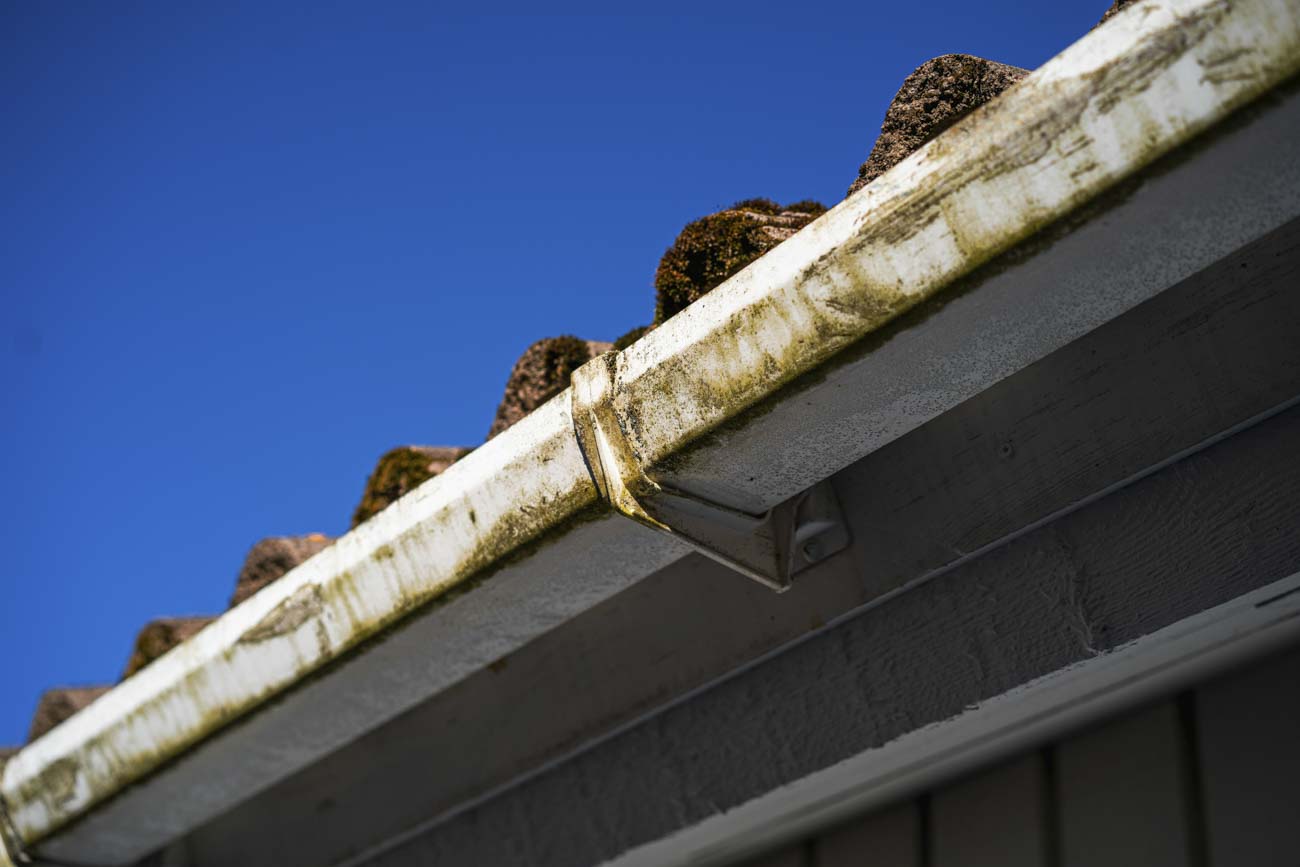
Your roof and gutters manage a surprising amount of stress during winter rain. It helps to walk around your property and look for lifted shingles, sagging sections, or gutters packed with leaves. When gutters fill up, water often pushes back under roofing materials or spills over where it should not.
If you see water stains indoors or signs of dampness, you can learn more about how SMRWC and BOMIC handles water related issues through the Restoration page.
Test your heating system early
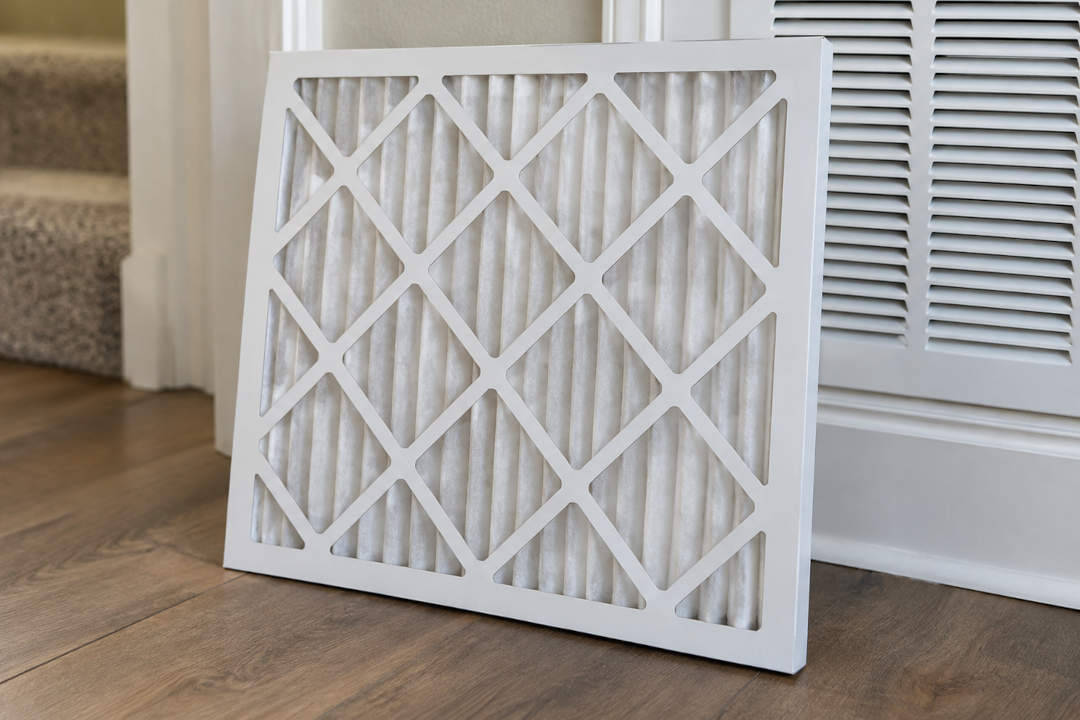
When the first cold night hits, most people switch on the heater and hope for the best. Instead, try turning your system on well before winter starts. Give it time to run so you can listen for unusual sounds, check for uneven heating, and replace old filters. Heating systems tend to collect dust when they sit unused.
Commercial buildings may need an even closer look at vents, thermostats, and airflow. If the space feels dusty or stale, you can explore seasonal maintenance options on the Building Maintenance page.
Check windows, doors, and insulation for cold spots
Heat can escape through small gaps around windows and doors. You can run your hand along the edges to feel for drafts. If you notice cold spots, weatherstripping or caulking often solves the problem. This simple fix helps your heating system work more efficiently and reduces moisture buildup inside.
Consistent condensation, musty smells, or cold interior walls may signal early moisture issues. Addressing them before winter storms helps prevent long term damage.
Prepare outdoor areas for heavy rain
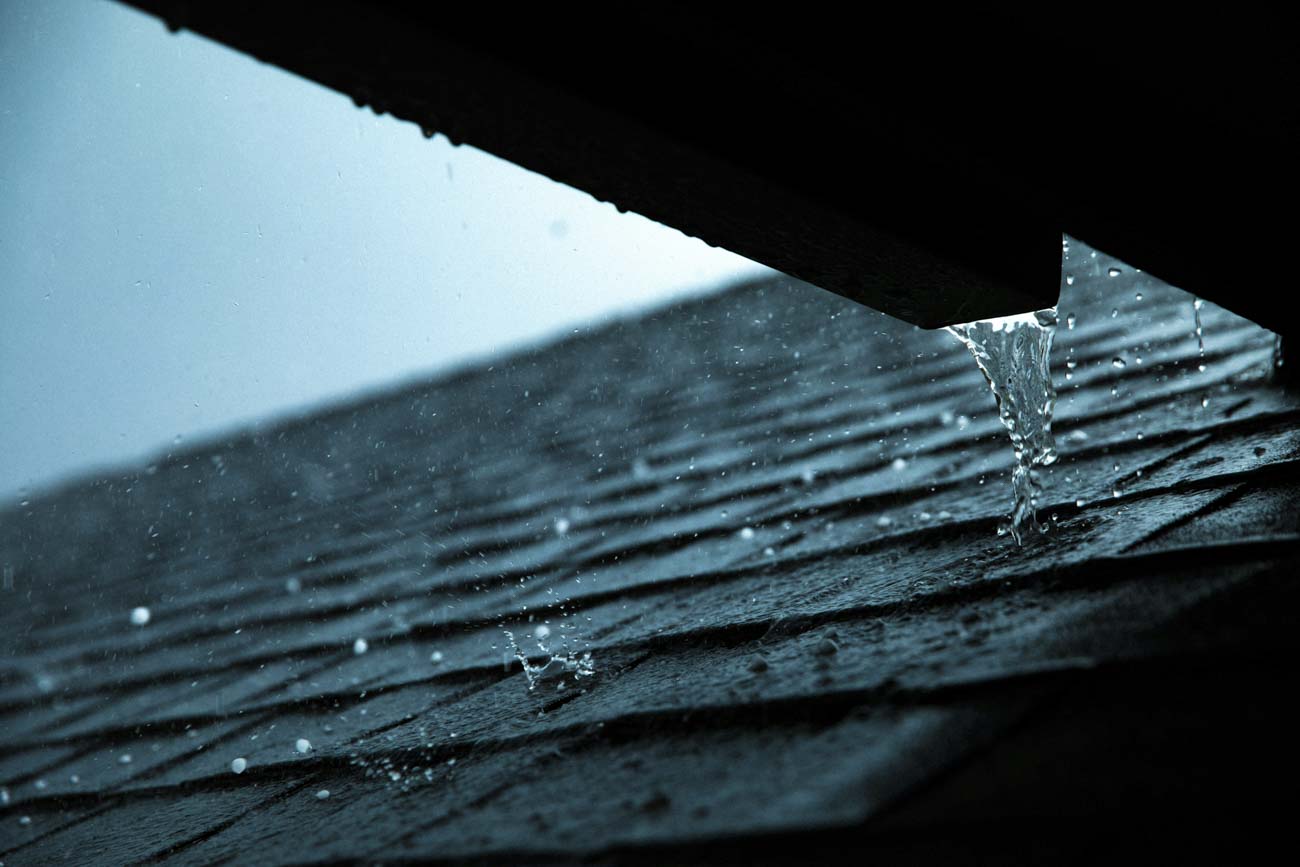
The Bay Area experiences fast, heavy downpours during winter. Even newer properties can collect water in low spots. Walk your outdoor areas and clear any leaves from drains, patios, and walkways. Trim branches that hang near the roof and look for cracks in older retaining walls.
Storm water is one of the main sources of seasonal damage. When moisture enters a structure, quick action can prevent further issues. You can read about water mitigation on the Restoration page.
Freshen high traffic indoor areas
With more time spent indoors during colder months, carpets, entryways, and shared spaces see a lot more use. Carpets, rugs, and upholstery can trap moisture and dust quickly. A seasonal deep clean improves indoor air quality and keeps your space more comfortable throughout winter.
The EPA notes that indoor air can become two to five times more polluted than outdoor air during colder seasons because windows stay closed. If you want help preparing your home for winter, you can explore options on the Residential Cleaning page.
Commercial buildings also benefit from consistent floor care, dusting, and disinfecting as foot traffic increases.
Look for early plumbing issues
Even though the Bay Area rarely hits freezing temperatures, older pipes or exposed plumbing can react to colder nights. Check under sinks, behind appliances, and around fixtures for small drips or water stains. Early detection is one of the easiest ways to avoid major repairs.
If a leak suddenly worsens, remember that fast response is key. SMRWC and BOMIC offers a 4 hour response commitment for emergencies and round the clock availability to help stabilize the situation.
Review your winter emergency plan
A basic emergency plan is one of the easiest ways to reduce stress when something unexpected happens. Make sure you know where the main water shutoff valve is located and confirm it turns easily. Keep important documents in a safe, elevated space.
If you manage a building, make sure your team knows who to call and how to give professionals access quickly. Being organized helps reduce downtime and limits the spread of damage.
The advantage of having professionals on standby during winter
Winter issues do not wait for a convenient time. A clogged drain can overflow during a storm, a small leak can spread overnight, or a heater can fail on the first cold evening. Having trained professionals ready to step in brings a level of safety and calm that makes winter much easier to manage. With licensed technicians, clear timelines, and reliable support, SMRWC and BOMIC helps property owners stay ahead of seasonal challenges so small issues never turn into big problems.