Fire Damage: First Steps to Take Before Insurance Arrives
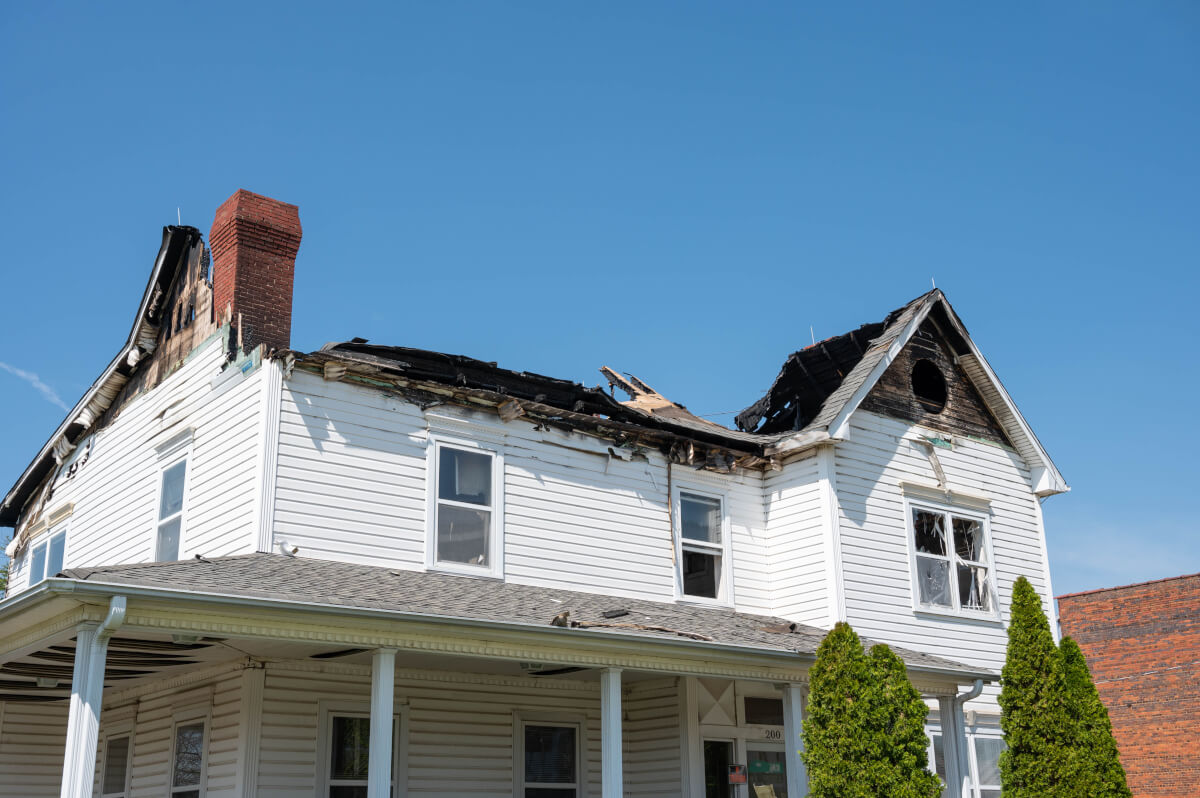
A fire can be one of the most overwhelming experiences a homeowner or business owner faces. Even after the flames are out, the damage left behind—from smoke, soot, and water used to extinguish the fire—can continue to worsen if not handled properly.
Knowing what to do in the hours immediately following a fire can help protect your property, prevent further damage, and make the insurance process smoother.
1. Make Sure the Property Is Safe to Enter
Before anything else, confirm that it’s safe to go inside. Fire can weaken structures, damage electrical systems, and leave behind hazardous materials.
- Wait for clearance from the fire department
- Watch for unstable ceilings or floors
- Avoid exposed wiring or standing water
If there’s any doubt, do not enter. Safety always comes first.
2. Contact Your Insurance Company
Notify your insurance provider as soon as possible to start your claim. They may give you specific instructions or recommend approved restoration professionals.
When you call:
- Provide basic details about the incident
- Ask what documentation they require
- Clarify what emergency services are covered
Starting this process early helps avoid delays later.
3. Document the Damage
Before cleaning or moving anything, take clear photos and videos of all affected areas. This includes fire damage, smoke residue, and water damage from firefighting efforts.
Be thorough:
- Capture every room, even if damage seems minor
- Take close-ups and wide-angle shots
- Keep a written list of damaged items
Proper documentation is critical for your claim.
4. Prevent Further Damage
While waiting for insurance adjusters, you may need to take temporary steps to protect your property.
This can include:
- Boarding up broken windows
- Covering exposed roofs with tarps
- Removing excess water to prevent mold
These actions can help limit additional damage, which insurance companies typically expect homeowners to do when possible.
5. Avoid Deep Cleaning on Your Own
It may be tempting to start scrubbing soot or smoke residue right away, but improper cleaning can actually make things worse.
- Soot can smear and stain permanently
- Smoke odors can penetrate deeper if not treated correctly
- Using the wrong products may damage surfaces
It’s best to leave detailed cleaning and restoration to professionals, such as our team at SMWRC & BOMIC as we have the proper equipment and training.
6. Separate Damaged and Undamaged Items
If it’s safe to do so, begin organizing your belongings.
- Set aside items that are clearly unsalvageable
- Keep unaffected items in a clean, dry area
- Avoid throwing anything away until approved by your insurer
This step can make the claims process more efficient and help restoration teams work faster.
7. Secure the Property
Fire-damaged properties are often vulnerable to weather exposure or unauthorized entry.
Make sure to:
- Lock doors and secure entry points
- Board up openings if necessary
- Remove valuables if it’s safe to do so
Protecting your property helps prevent additional losses.
8. Contact a Professional Restoration Team
Fire damage is more than what’s visible. Smoke and soot can spread throughout the property, affecting walls, air systems, and hidden areas.
A professional restoration company can:
- Assess the full extent of damage
- Remove smoke and soot safely
- Eliminate odors at the source
- Restore your property efficiently
Early intervention can significantly reduce long-term damage and costs.
Moving Forward After Fire Damage
Recovering from a fire takes time, but taking the right steps early can make a major difference. Focusing on safety, documentation, and preventing further damage will help set the foundation for a smoother restoration and insurance process.
If you’re dealing with fire damage, having experienced professionals on your side can help you move forward with confidence and restore your property as quickly as possible.